Cultural insights into gambling How beliefs shape risk-taking behaviors
The Role of Cultural Beliefs in Gambling
Cultural beliefs significantly influence how individuals approach gambling. In various societies, gambling is perceived differently, with some viewing it as an acceptable form of entertainment, while others may see it as a vice. These contrasting viewpoints affect not only participation rates but also the extent of risk that individuals are willing to take. For example, cultures that embrace chance and luck may encourage more aggressive betting behaviors, believing that fortune can favor the bold. Additionally, players can enhance their experience by utilizing the Rainbet promo code when playing.
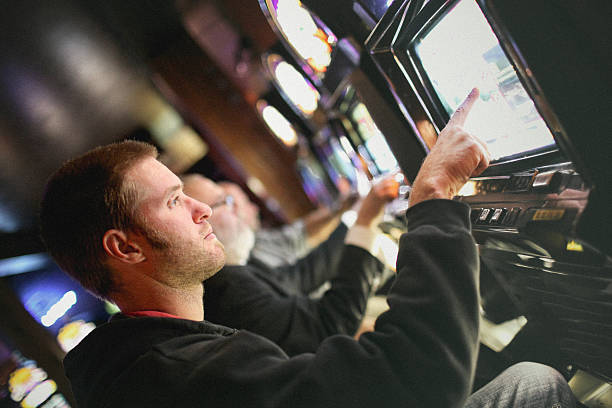
The acceptance of gambling within a culture often correlates with its historical and social context. Societies with rich traditions of gaming, such as those in parts of Asia and Europe, tend to cultivate a more casual attitude towards betting. In these environments, individuals may see gambling as an extension of social interaction or a rite of passage, leading to an increased likelihood of risk-taking behaviors. Conversely, in cultures that strictly prohibit gambling, such as certain Middle Eastern countries, fear of social repercussions or legal consequences may deter individuals from participating.
Moreover, the rituals associated with gambling can also shape beliefs and behaviors. For instance, in some cultures, players may perform specific acts for luck, such as wearing particular clothing or carrying talismans. These rituals create a psychological framework where individuals believe they have some control over unpredictable outcomes, further influencing their willingness to gamble and the types of bets they are willing to place.
Luck vs. Skill in Gambling Cultures
The dichotomy between luck and skill is a pivotal theme in gambling, and cultural perspectives can heavily sway individuals toward one belief or the other. In cultures that emphasize skill, such as in poker or certain types of sports betting, players often invest time in strategizing and developing their abilities. This notion of skill leads to a more calculated approach to risk-taking, where individuals may feel empowered to make informed decisions based on analysis and practice.
In contrast, cultures that prioritize luck might create an environment where spontaneous and impulsive betting behaviors are more common. These societies often celebrate the unpredictability of chance, leading to an acceptance of irrational decision-making. People may be drawn to games like roulette or slot machines, where outcomes are purely based on chance, thus enhancing the thrill associated with gambling. This belief in luck often results in higher stakes and more significant financial risks, as players chase the excitement of a potential windfall.
The balance between luck and skill is further complicated by the advent of technology in gambling. Online platforms and mobile apps have introduced new ways to engage with gambling activities, often blurring the lines between skill-based and chance-based games. This technological influence means that players from different cultural backgrounds may interact with gambling in unique ways, further impacting their risk-taking behaviors and beliefs about winning.
The Psychological Impact of Gambling Beliefs
The beliefs surrounding gambling extend far beyond cultural norms; they are deeply intertwined with psychological factors. People’s attitudes towards gambling can heavily influence their mental health and emotional responses. For instance, those who view gambling as a fun and lighthearted activity may experience less stress and anxiety when engaging in such activities, allowing for a more relaxed approach to risk-taking.
Conversely, individuals who perceive gambling as a potentially destructive behavior may approach it with trepidation and guilt. This anxiety can lead to a form of cognitive dissonance, where players struggle to reconcile their enjoyment of gambling with the societal stigma attached to it. Such internal conflicts can heighten the emotional stakes involved in gambling, potentially leading to compulsive behaviors as individuals try to cope with their conflicting beliefs.
This psychological landscape emphasizes the importance of understanding the role of beliefs in shaping gambling behaviors. For example, educational programs focusing on responsible gambling can be tailored to address cultural beliefs and psychological predispositions. By acknowledging the underlying emotions tied to gambling, stakeholders can create more effective strategies for promoting safe gambling practices, while also respecting individual cultural perspectives.
Regional Differences in Gambling Practices
Regional variations in gambling practices reveal a rich tapestry of cultural insights. In many parts of North America, the rise of casinos and online gambling platforms has transformed the gambling landscape. Here, cultural attitudes towards betting have evolved, often positioning it as a form of entertainment akin to dining out or attending a concert. This has cultivated an environment where people are more likely to participate in gambling activities without the social stigma that may be present in other regions.
In contrast, in countries like Japan, gambling is largely restricted to specific forms, such as pachinko, a game combining skill and luck. This limited approach influences the overall perception of gambling as a niche activity rather than a widespread social practice. Japanese beliefs often emphasize the importance of moderation and control, reflecting a cultural tendency to approach risk-taking with caution. Such values shape not only participation but also the types of games that gain popularity and acceptance.
The regulation of gambling can also reflect cultural attitudes. For instance, Scandinavian countries often adopt a more liberal stance, with robust policies in place to regulate the industry and promote responsible gambling. The incorporation of safety nets and educational measures reveals a cultural commitment to protecting individuals from the potential harms of gambling, highlighting the interplay between cultural beliefs and practical governance.

Exploring Online Gambling Trends
The rise of online gambling platforms like Rainbet has introduced new dimensions to how cultural beliefs impact gambling behaviors. These platforms allow users to engage with a diverse array of games, appealing to varied cultural preferences while also providing opportunities to explore risk-taking in a virtual environment. The accessibility and convenience of online gambling have made it easier for individuals to participate, regardless of their cultural background.
Furthermore, promotional strategies employed by online gambling sites play a significant role in shaping users’ perceptions and behaviors. Bonuses, rewards, and special events can create a sense of excitement and urgency, prompting individuals to take risks they might otherwise avoid. For instance, unique promotional codes encourage players to engage more actively, which can inadvertently shift cultural attitudes toward gambling as a more socially acceptable activity.
Rainbet, as a leading crypto gambling platform, is emblematic of the ongoing evolution of gambling culture. With its user-friendly interface and emphasis on secure transactions, it appeals to a broad audience, allowing for diverse cultural expressions of gaming. By understanding how cultural insights and beliefs shape user engagement, platforms can better tailor their offerings to meet the needs and expectations of various players, ultimately fostering a safer and more inclusive gambling environment.
Leave a Reply