The evolution of casinos a journey through time and chance
The Origins of Gambling
The history of gambling dates back thousands of years, with evidence of games of chance found in ancient civilizations. Archaeological finds in China reveal gambling artifacts as early as 2300 BC, suggesting that the desire to engage in games of chance is deeply rooted in human nature. Similarly, ancient Mesopotamians, Egyptians, and Romans had their own variations of gambling, often linked to religious and cultural rituals. These early forms laid the groundwork for the casino as we know it today, highlighting the role of technology in developing new gaming experiences like mro-casinos.com.
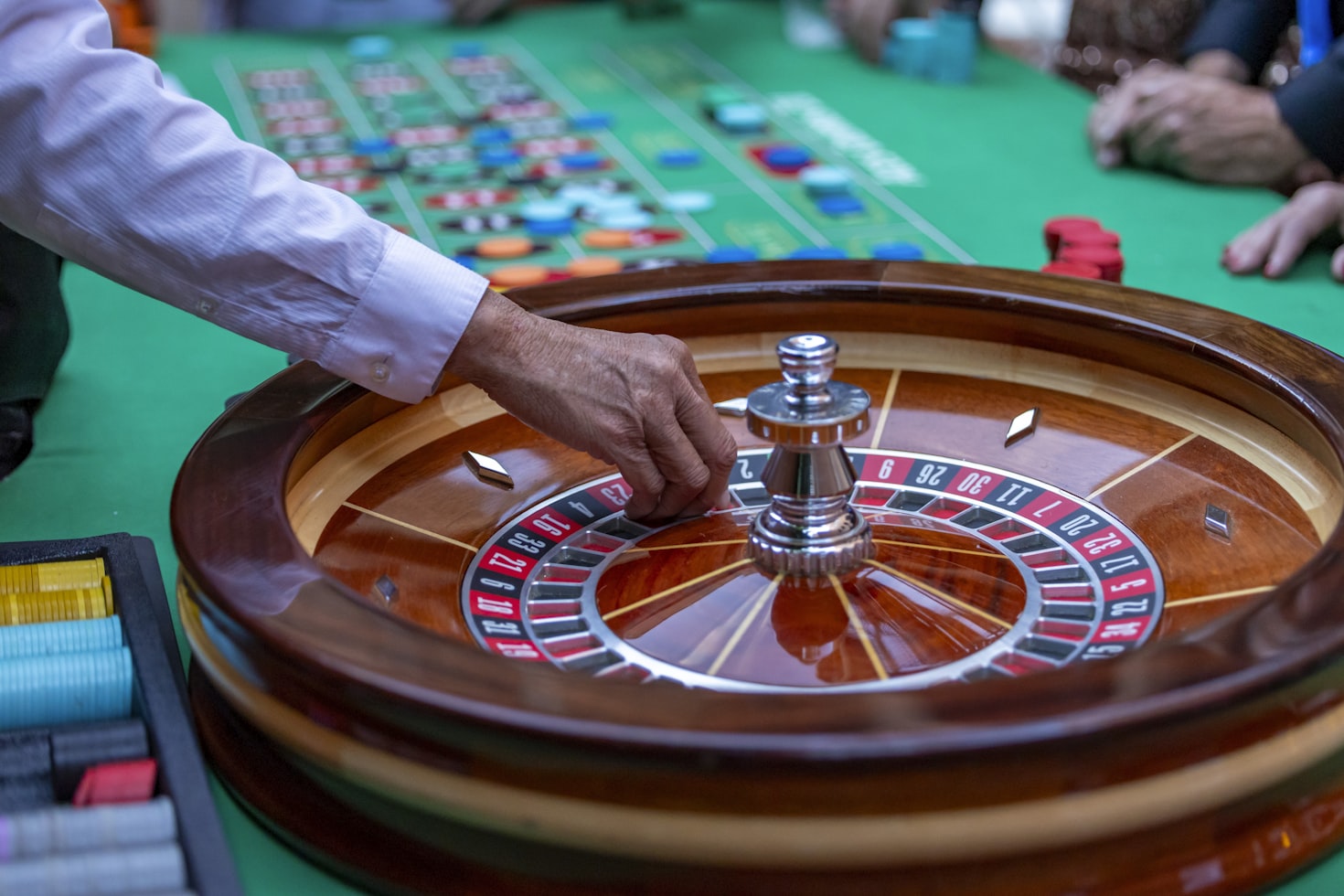
The initial games were simple and often involved dice or rudimentary card-like systems. These games served not only as entertainment but also as social events, where people gathered to partake in friendly competition. As societies evolved, so did gambling practices, gradually transitioning from informal gatherings into more structured environments. The public interest in games of chance paved the way for the establishment of dedicated gaming houses, which would eventually evolve into the grand casinos of modern times.
During the Middle Ages, gambling flourished across Europe, leading to the establishment of regulated gaming spaces. The emergence of betting houses in France marked a significant shift, introducing rules and standards that defined early gambling activities. By the time the Renaissance rolled around, the fascination with chance had become a cultural phenomenon, fueling the need for more sophisticated gambling establishments. This set the stage for the grand casinos that would emerge in the 19th century.
The Rise of the Casino Industry
The 18th century marked a turning point in the evolution of casinos, particularly with the establishment of the first modern casino in Venice, Italy. The Casinò di Venezia, founded in 1638, became a model for subsequent gaming houses across Europe. This era highlighted the growing popularity of structured gambling environments, where people could immerse themselves in games like baccarat and roulette. The opulence of these establishments attracted the wealthy and elite, shaping the social dynamics of gambling.
As the casino industry gained momentum, other cities began to emulate this model. France, known for its rich gambling culture, opened several casinos, most notably in Monte Carlo. By the late 19th century, Las Vegas began to emerge as a gambling hub, driven by the allure of the American Dream. The legalization of gambling in Nevada in 1931 set the stage for Las Vegas to become synonymous with casinos and extravagant entertainment. This marked a significant shift in the gambling landscape, making casinos accessible to a broader audience.
The mid-20th century saw the transformation of casinos into multi-faceted entertainment complexes. The integration of shows, dining, and nightlife turned casinos into destinations rather than mere gambling houses. This diversification attracted tourists and locals alike, helping to solidify the casino’s status in modern culture. The casino experience became about more than just chance; it evolved into a holistic entertainment experience, marrying gaming with hospitality.
Technological Advancements in Casinos
The advent of technology has played a pivotal role in shaping the modern casino experience. In the late 20th century, video slot machines revolutionized gambling by introducing new forms of play that appealed to a wider demographic. Unlike traditional slot machines, video slots offered immersive graphics and sound, enhancing player engagement. This innovation marked a significant shift in how casinos attracted and retained customers, contributing to the rapid expansion of the industry.
The rise of the internet in the late 1990s further transformed the casino landscape. Online gambling emerged, allowing players to access their favorite games from the comfort of their homes. This shift democratized gambling, enabling individuals who may not have visited a physical casino to experience the thrill of gaming. As online platforms gained traction, the industry saw an explosion of new game offerings, payment methods, and player engagement techniques, all driven by advancements in technology.
Today, the integration of virtual reality and mobile gaming continues to push the boundaries of the casino experience. Players can now enjoy realistic gaming environments through VR technology, providing an immersive experience unlike any other. Mobile apps allow for gaming on the go, catering to the increasingly busy lifestyles of modern players. As technology continues to evolve, the casino industry adapts, ensuring that it remains relevant in an ever-changing digital landscape.
The Cultural Impact of Casinos
Casinos have played a significant role in shaping popular culture, influencing movies, music, and literature. Iconic films like “Casino Royale” and “Ocean’s Eleven” have romanticized the casino experience, embedding it into the public consciousness. The allure of the high-stakes world of gambling has inspired countless stories, often highlighting themes of chance, fate, and the pursuit of wealth. This cultural fascination has contributed to the ongoing popularity of casinos, making them not just places of gambling but cultural landmarks.
The social dynamics of casinos have also evolved. Once viewed as exclusive venues for the elite, modern casinos strive to create inclusive environments that welcome a diverse clientele. This shift reflects a broader cultural change, where gambling is increasingly recognized as a form of entertainment rather than a taboo activity. Casinos now host events, tournaments, and community gatherings, fostering a sense of belonging among players and enhancing their cultural significance.
Moreover, the ongoing dialogue surrounding responsible gambling practices has influenced how casinos operate. With an emphasis on promoting safe gaming environments, many casinos have implemented measures to ensure that patrons engage in gambling responsibly. This focus on responsible play reflects a cultural shift toward recognizing the importance of mental health and well-being, further integrating casinos into the fabric of contemporary society.

Exploring MRO Casino
As the casino landscape continues to evolve, MRO Casino stands out as a prime example of how technology is enhancing the gaming experience. With its fast crypto withdrawals and a wide selection of games, MRO Casino offers an engaging platform that caters to modern players. The generous Welcome Pack, which includes a substantial bonus and free spins, showcases their commitment to attracting new users while providing transparent bonus terms, free from hidden fees.
MRO Casino prioritizes fair play and security, ensuring that players enjoy a seamless banking experience. The platform is accessible across multiple devices, allowing players to engage in their favorite games whether at home or on the go. Customer support is another critical aspect, with dedicated teams ready to assist players at any time. This focus on user experience makes MRO Casino a top choice in the competitive online gaming market.
In conclusion, as we reflect on the evolution of casinos, it is clear that they have transformed significantly over time. From their humble beginnings in ancient civilizations to the high-tech platforms of today, casinos continue to adapt to changing social and technological landscapes. MRO Casino exemplifies this evolution, showcasing how modern technology can create a dynamic and enjoyable gaming environment for players worldwide.
Leave a Reply