The evolution of casinos from ancient gaming houses to modern entertainment hubs
The Origins of Gambling
The history of gambling dates back thousands of years, with evidence of games of chance found in ancient civilizations such as Mesopotamia and China. In these early societies, rudimentary gambling activities often revolved around simple games using knucklebones or rudimentary dice made from animal bones. These early forms of gaming not only served as entertainment but also played a role in religious and cultural rituals, offering a way for people to engage in community gatherings and social interactions. Notably, in the modern age, a platform like spinboss illustrates how far gaming has come, blending traditional and contemporary gaming methods.

As societies evolved, so did their approach to gambling. Ancient Rome introduced more structured gaming environments, where citizens would gather in public squares to play games like dice and betting on gladiatorial contests. The Romans formalized gambling with laws and regulations, understanding its potential for both social cohesion and economic benefit. This period marked the transformation from informal play to a more organized approach to gaming.
By the time we reached the Middle Ages, gambling had become a widespread pastime in Europe. Card games began to gain popularity, eventually leading to the creation of specific locations dedicated to such games. The emergence of gambling houses during this time reflects the cultural significance that gaming had begun to hold in society, setting the foundation for the more elaborate casino environments that would follow.
The Rise of the Casino
The term “casino” originated in Italy, meaning “little house.” Initially, these establishments were simply private venues for social gatherings where gambling occurred among friends. However, as the allure of gambling grew, so did the complexity of these venues. By the 17th century, casinos began to take on a more formal structure, offering a range of games and amenities, catering to a burgeoning class of wealthy individuals seeking entertainment.
In the 18th century, casinos spread across Europe, notably in cities like Venice and Paris. The Casino di Venezia, established in 1638, is often regarded as the world’s first official casino, incorporating elegant architecture and refined gaming experiences. The rise of these establishments coincided with the Age of Enlightenment, where intellectual pursuits and leisure activities were valued, and gambling was no exception to this cultural shift.
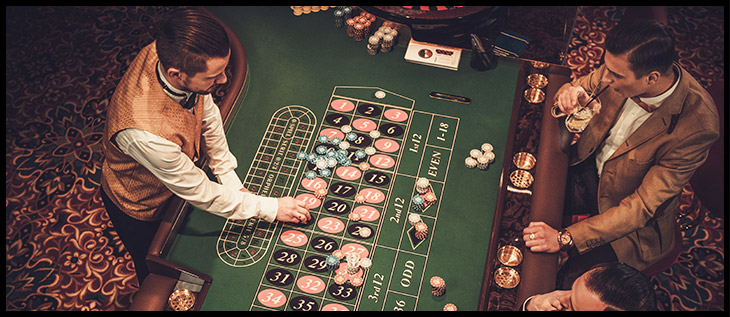
The 19th century witnessed a casino revolution, particularly with the establishment of Monte Carlo in Monaco as a luxurious gambling destination. The introduction of roulette and other games led to a golden age of casinos, with lavish interiors and strict regulations designed to enhance the overall experience. This era marked the transition of casinos from mere gaming houses to sophisticated entertainment hubs, drawing in patrons from across the globe.
The Impact of Legislation and Regulation
The expansion of casinos brought about the need for regulation, as governments recognized both the potential for revenue and the social implications of gambling. The early 20th century saw several countries enact laws to control gambling, leading to the closure of many establishments deemed illegal or morally questionable. In the United States, states like Nevada began to legalize casinos to stimulate economic growth, especially during the Great Depression.
In recent decades, the legalization of gambling has expanded beyond Nevada, with states across the country establishing their own regulations and gaming commissions. This has fostered an environment where casinos can thrive while maintaining transparency and fairness for players. The result has been an explosion of both physical and online casinos, each navigating the complexities of local laws while ensuring a safe environment for patrons.
The regulation of casinos has also led to a focus on responsible gaming practices. Many establishments implement programs and support systems to assist individuals who may struggle with gambling addiction, showcasing an increased awareness of the social responsibilities that come with operating such venues. This shift is essential in promoting a healthier relationship with gambling in society.
The Evolution of Casino Technology
As technology advanced, so did the casino experience. The introduction of electronic gaming machines in the mid-20th century revolutionized the gambling landscape. These machines offered a new, fast-paced form of gaming, appealing to a younger demographic and changing the way people interacted with gambling. The convenience of slot machines made them a staple in casinos, contributing significantly to revenue.
The advent of the internet brought about another significant transformation in the casino industry. Online casinos emerged in the late 1990s, allowing players to gamble from the comfort of their homes. This shift not only expanded the reach of casinos but also changed the gaming experience, offering a broader selection of games and the ability to play at any time. With secure payment options and advanced technology, online gambling became increasingly popular.
Today, the integration of virtual reality and mobile gaming continues to shape the future of casinos. Innovations such as live dealer games create immersive experiences that mimic the atmosphere of a physical casino, drawing players into a more engaging environment. As technology continues to evolve, the casino industry remains at the forefront, adapting to meet the demands and preferences of modern consumers.
The Modern Casino Experience
Today’s casinos are no longer just about gambling; they are multi-faceted entertainment hubs. Many modern establishments feature world-class dining, shopping, and live entertainment, transforming the casino experience into a full-fledged vacation destination. Resorts like those found in Las Vegas or Macau offer visitors a variety of experiences, from luxurious hotel accommodations to themed entertainment, catering to all ages and interests.
The cultural representation of casinos has also changed over time, with films, television, and literature depicting them as glamorous locations filled with intrigue and excitement. This portrayal has helped to enhance the allure of casinos, drawing in tourists and gamblers alike. The social aspect of gambling has been emphasized, showcasing casinos as places for celebration, leisure, and connection.
Furthermore, the shift towards responsible gaming and ethical practices reflects an evolving understanding of the role casinos play in society. Many modern casinos prioritize player safety and well-being, promoting initiatives that support healthy gambling habits. This commitment is vital for ensuring that the industry continues to thrive while being mindful of its impact on individuals and communities.
Discovering SpinBoss Casino
SpinBoss Casino stands as a premier example of the evolution of online gaming, providing a vast array of exhilarating games for players seeking entertainment from the comfort of their own homes. With over 400 games, including slots and live games, SpinBoss caters to both new and seasoned players. The welcoming bonus of up to €15,000 plus 400 free spins exemplifies the casino’s commitment to providing an engaging start for newcomers.
In addition to an extensive gaming selection, SpinBoss prioritizes customer satisfaction through efficient support and secure payment methods. This focus on creating a dynamic and responsible gaming environment is crucial in today’s digital landscape, where players seek not only entertainment but also safety and trust. SpinBoss is dedicated to enhancing the online gaming experience with a user-friendly interface and diverse offerings.
As the gaming industry continues to evolve, SpinBoss Casino remains at the forefront, embracing the latest trends and technologies to deliver an unparalleled experience. Whether you are a casual player or a passionate gamer, SpinBoss is committed to providing an extraordinary journey filled with excitement and endless entertainment.
Leave a Reply